How It Works
From one description of your property to quotes you can compare
Tell us about the property
Your suburb, the size of the garden or site, and what you want the water for. About a minute.
Wellpoint installers quote
Installers and pump technicians covering your area receive the request and come back to you directly.
You compare and choose
Compare itemised quotes side by side, appoint whoever you prefer, or nobody. No obligation either way.
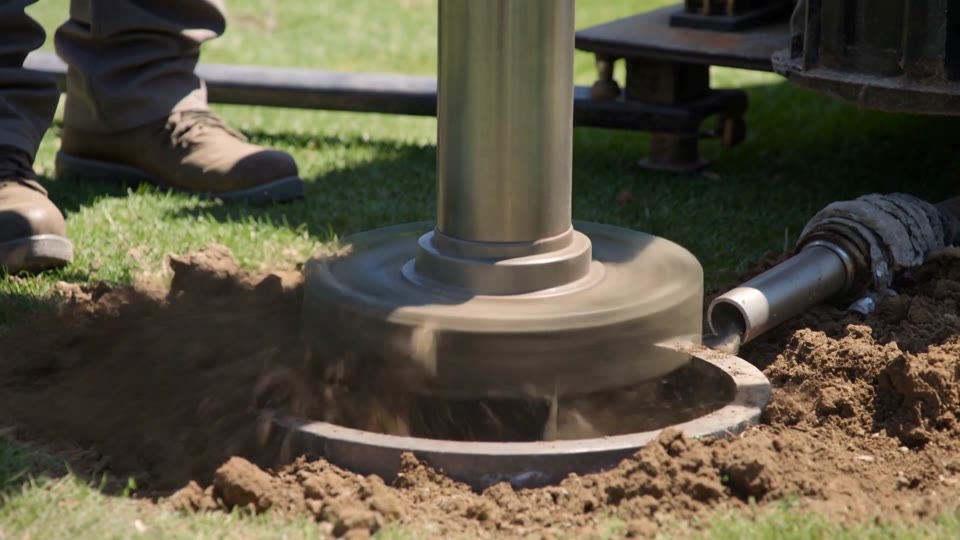
Wellpoint Installation Johannesburg covers shallow groundwater systems for properties across the metro: the wellpoint itself, the pump that lifts the water, the controller that switches it, and the irrigation, storage or filtration it feeds.
A wellpoint is a small-diameter point jetted into a water-bearing layer, usually somewhere between 6 and 12 metres down, with a surface-mounted suction pump above it. It is the cheapest practical way to get off the municipal meter for garden water, and it goes in inside a morning rather than over a week.
Send your suburb, roughly how big the garden is, and what you want the water for. That is enough to price an installation.
Get a Wellpoint QuoteWhat a Wellpoint Installation Involves
Site and suitability assessment
The installer looks at what is likely to be under the property, where the pump can sit relative to power and the irrigation system, and whether there is jetting access. Ground with a high clay or stone content can stop the process before water is reached, which is why a no-water fee is quoted up front.
Jetting the point
High-pressure water is pushed down through galvanised steel pipes to open a hole into the sand or weathered material. Once the water-bearing layer is reached, an LDPE riser with a filter screen is fed inside and the steel pipe is withdrawn, leaving the point in the formation.
Pump, controller and connection
A self-priming jet pump, typically 0.75kW to 1.5kW on domestic sites, is mounted at the surface with a non-return valve. From there the system is either left on a garden outlet or wired into a pump controller, a pressure tank, an irrigation manifold or a storage tank.
Testing and handover
Flow is measured, the pump is set and the system is run long enough to clear the fines that come through on a new point. Water quality is worth testing at this stage, before anything is plumbed into filtration or irrigation.
Wellpoint vs Borehole
| Wellpoint | Borehole | |
|---|---|---|
| Typical depth | Roughly 6 – 12 m | 30 – 100 m or deeper |
| Method | Water jetting through sand | Percussion or rotary drilling through rock |
| Pump | Surface-mounted suction pump | Submersible pump down the hole |
| Time on site | Around 2 – 4 hours | Around 3 – 5 days |
| Indicative cost | R8,000 – R15,000 installed | R45,000 – R180,000 installed |
| Ground needed | Sandy, alluvial or deeply weathered formation | Works through rock and clay |
| Usual application | Garden and outdoor water | Larger volumes, sometimes whole-property supply |
On the Highveld that choice is closer than it is on a sandy coastal plain. A wellpoint is the right answer where a thick, saturated layer of weathered granite, alluvium or pan sand sits within suction reach, and the wrong answer on hard quartzite ridge or where the water stands twenty metres down. A site assessment exists to settle which of the two you have.
Price Guide
Indicative Gauteng ranges, compiled from published installer pricing, to give you a sense of where a job lands before anyone visits:
| Item | Indicative range | Notes |
|---|---|---|
| Standard wellpoint installed with pump | R8,000 – R15,000 | Point, 0.75kW self-priming pump, non-return valve, garden outlet. |
| No-water or dry-hole fee | R2,500 – R4,000 | Charged where jetting finds no usable water. |
| Additional wellpoint, same site | R2,500 – R5,000 | Cheaper once the crew and equipment are on site. |
| Larger pump, 1.1 – 1.5kW supplied and fitted | R6,500 – R12,000 | Where irrigation pressure or flow demands it. |
| Automatic pump controller | R1,200 – R3,000 | Press control with dry-run cut-out, fitted. |
| Pressure tank and fittings | R2,500 – R6,500 | Reduces short cycling on demand systems. |
| Irrigation connection to existing system | R1,500 – R4,500 | Manifold, valves and changeover. |
| Sediment filtration | R1,800 – R4,500 | Housing, cartridge and plumbing. |
| Irrigation-suitability water test | R450 – R1,200 | Salinity, pH, iron and sediment. |
| Full SANS 241 laboratory analysis | R1,800 – R4,500 | Required before any potable consideration. |
| Annual service | R850 – R1,800 | Pump, flow, pressure and controller check. |
| Call-out and site assessment | R450 – R950 | Often credited against the work. |
These are indicative Johannesburg market ranges, not a quotation. Wellpoint pricing moves with depth, ground conditions, access and the pump specified, so treat these as a budgeting starting point and compare written quotes on what each one actually includes.
Ask what happens if no usable water is struck, whether the pump, controller and electrical connection are in the price, and what the guarantee covers.
Johannesburg Groundwater Conditions
Johannesburg is not wellpoint country the way a sandy coastal city is, and it is worth saying so plainly. A large part of the metro sits on hard Witwatersrand quartzite and shale, and on that ground a wellpoint has nothing to jet into. Where wellpoints do work here, it is because of three specific settings.
The first is the Halfway House granite under much of the northern suburbs, from Sandton and Bryanston through Rivonia, Sunninghill, Woodmead, Fourways, Midrand and Kyalami. Granite weathers in place to a coarse, sandy material that can run several metres thick, and where that layer is deep and saturated it jets. The second is the alluvial ground along the river and spruit lines: the Jukskei, the Braamfontein and Modderfontein spruits, the Klip River and the Natalspruit. The third is the East Rand, where the pan and vlei country around Benoni, Boksburg, Springs and Kempton Park carries genuinely shallow water, and where old mining and reclamation ground adds its own variability.
The ridges are the other half of the picture. Northcliff, Melville, Linksfield, Houghton, Observatory and the Bedfordview ridge are quartzite with thin soil over the top, and those properties are usually a borehole conversation rather than a wellpoint one. Ground also changes over short distances: two houses on the same street can return completely different results, so a successful point next door is encouraging rather than conclusive.
Altitude changes the arithmetic as well. A surface suction pump is limited by atmospheric pressure, and at Johannesburg's roughly 1,750 metres there is about twenty percent less of it than at sea level. Practical suction lift on the Reef is around 6 to 6.5 metres rather than the 7 to 8 metres quoted in coastal installations, so a standing water level that would be workable at the coast can be out of reach here.
Seasonality runs the opposite way to the Cape. The Highveld takes its rain between October and March, the water table recovers over summer, and it draws down through the dry winter to a September low. That low lands in the same weeks the garden needs the most water, which is the defining constraint on a Johannesburg wellpoint. A point set well into the saturated layer rides that swing; a marginal one goes quiet in August.
What the Water Is Good For
- Garden and lawn irrigation. The main use, and the one that makes the numbers work, since outdoor watering is a large share of a typical household's consumption.
- Automated irrigation. With a controller and adequate flow, a wellpoint can run zoned sprinklers and drip lines without touching the municipal supply.
- Pool top-ups. Common, but depends on water quality: iron-bearing water will stain plaster and fittings.
- Storage tanks. Filling a buffer tank slowly and drawing from it evens out a modest yield.
- Washing and outdoor cleaning. Vehicles, paving and equipment.
Drinking, cooking and washing are a different matter. Shallow groundwater sits close to surface contamination sources and needs laboratory testing before anyone treats it as potable. Under the City's Water By-law a groundwater system also may not be interconnected with the municipal water installation.
Registration and Water Rules
Which authority you deal with depends on where the property is. The City of Johannesburg and Johannesburg Water cover Sandton, Randburg, Roodepoort, Midrand and the central suburbs; Ekurhuleni covers the East Rand from Edenvale and Germiston out to Springs; Mogale City covers Krugersdorp. Most municipal by-laws require a borehole or wellpoint to be registered and prohibit any interconnection between a groundwater system and the municipal water installation. National guidelines gazetted in 2018 require groundwater abstraction to be metered, with records kept and available for inspection, and reasonable domestic garden use generally falls under Schedule 1 of the National Water Act rather than needing a licence. Requirements change, so confirm the current position with your municipality before you commit.
Not sure whether your property is suitable? Send the address and what you want the water for, and installers who work in that area will tell you.
Check Your PropertyWhat to Check Before Appointing Anyone
- What is charged if no usable water is struck, and how is that decided?
- Is the pump included, and at what size and make?
- Who does the electrical connection, and is it in the price?
- Is the measured yield reported to you in litres per hour?
- Does the quote cover connecting to the existing irrigation system?
- What guarantee applies to the point, the pump and the workmanship?
- Will they handle the City application and registration paperwork?
Areas Covered
Quotes are arranged across the northern suburbs through Sandton, Bryanston, Morningside, Rivonia, Illovo, Hyde Park, Sunninghill and Woodmead, the Fourways and Midrand corridor including Kyalami and North Riding, Randburg, Ferndale and Honeydew, the central suburbs through Rosebank, Houghton, Melville and Northcliff, the West Rand through Roodepoort, Weltevredenpark and Krugersdorp, and the East Rand from Edenvale, Bedfordview and Germiston out through Kempton Park, Boksburg, Benoni, Springs and Alberton.
Frequently Asked Questions
How deep is a wellpoint in Johannesburg?
Most finish between roughly 6 and 12 metres, in weathered granite, alluvium or pan sand rather than in rock. The installer jets down until a saturated layer is struck, so the final depth is decided on site. What matters more than the depth of the point is the standing water level: at Johannesburg's altitude a surface pump lifts water from about 6 to 6.5 metres at best, and anything deeper is a borehole and a submersible pump instead.
How long does the installation take?
Jetting a point is usually a two to four hour job, against three to five days for a borehole. Pump wiring, filtration and connecting an irrigation system are the parts that add time.
Will a wellpoint work on my property?
It depends on what is under the ground, not on the address. Deeply weathered granite in the northern suburbs, pan sand on the East Rand and alluvium along the spruits jet reasonably well; quartzite ridge, dense shale and shallow rock often will not yield anything usable. Conditions differ between neighbouring erven, so a site assessment is the only reliable answer.
How much water does a wellpoint produce?
Yields vary widely with the formation and the season. Domestic wellpoints on the Reef commonly land somewhere between 500 and 2,000 litres an hour, which suits garden irrigation but not household supply. Weathered granite gives up water more slowly than clean coastal sand, so ask the installer to measure the actual delivery before you size an irrigation system around it.
What is the difference between a wellpoint and a borehole?
A wellpoint is a shallow, small-diameter point jetted into sand with a surface-mounted suction pump. A borehole is drilled far deeper, often through rock, and uses a submersible pump. Wellpoints are much cheaper and quicker but are limited by suction depth and by ground conditions.
What can I use wellpoint water for?
Garden and lawn irrigation, automated sprinklers and drip lines, outdoor washing, filling a storage tank, and in most cases pool top-ups. Household use is a different question: shallow groundwater needs laboratory testing and usually treatment before it is treated as potable, and municipal by-laws prohibit interconnecting it with the municipal water installation. On or near old mining ground, testing matters more than it does elsewhere.
Do I need to register a wellpoint with the City?
Registration is generally required, and which office you deal with depends on the suburb: the City of Johannesburg and Johannesburg Water, Ekurhuleni on the East Rand, or Mogale City in Krugersdorp. National regulations require groundwater use to be metered with records kept. Requirements change, so confirm the current position with your municipality directly.
Does a wellpoint run dry in winter?
The water table drops through the dry Highveld winter and recovers with the summer rain, so yield in September is not the yield in March. A wellpoint that was set only just into the water-bearing layer is the one most likely to struggle late in the dry season, which is also when the garden needs it most.
Wellpoint Services in Johannesburg
Every service alongside wellpoint installation, each with its own page
Wellpoint Drilling
Water jetting down to the sand aquifer, and what makes a site drillable
Wellpoint Prices
What a wellpoint costs in Johannesburg and what moves the number
Wellpoint Pump Installation
Jet pump sizing, pressure tanks, priming and dry-run protection
Wellpoint Repairs
No water, weak flow, sand in the line and blocked wellpoints
Wellpoint Maintenance
Scheduled checks that catch a declining yield before it stops
Wellpoint Pump Repairs
Pumps that will not start, lose prime or run without delivering
Wellpoint Pump Replacement
Failed, undersized and inefficient pumps swapped out and resized
Wellpoint Pump Controller
Automatic start-stop, pressure control and dry-run cut-out
Wellpoint Water Testing
Salinity, iron, pH and sediment, tested before you plumb anything in
Wellpoint Water Filtration
Sediment, iron staining and odour, treated to match the test result
Wellpoint Irrigation
Connecting a wellpoint to sprinklers, drip lines and zone controllers
Wellpoint Water Tank Installation
Buffer storage, float switches and automated tank-fed systems
Wellpoint Registration
City of Johannesburg application, registration, metering and signage
Residential Wellpoint Installation
Houses, lawns, gardens and pool top-ups on domestic properties
Commercial Wellpoint Installation
Estates, schools, hospitality and business premises with larger demand
Garden Wellpoint Installation
Water for lawns and beds without drawing down the municipal meter
Wellpoint Dewatering
Temporary groundwater lowering for excavations and construction
Request a Wellpoint Quote
Describe the property and what you need the water for, and get quotes back from installers in your area.
Free to use, no obligation. Your request goes to LEADERR APPROVED wellpoint installers covering your area, who quote you directly.
Client Reviews
Powered by leaderr